
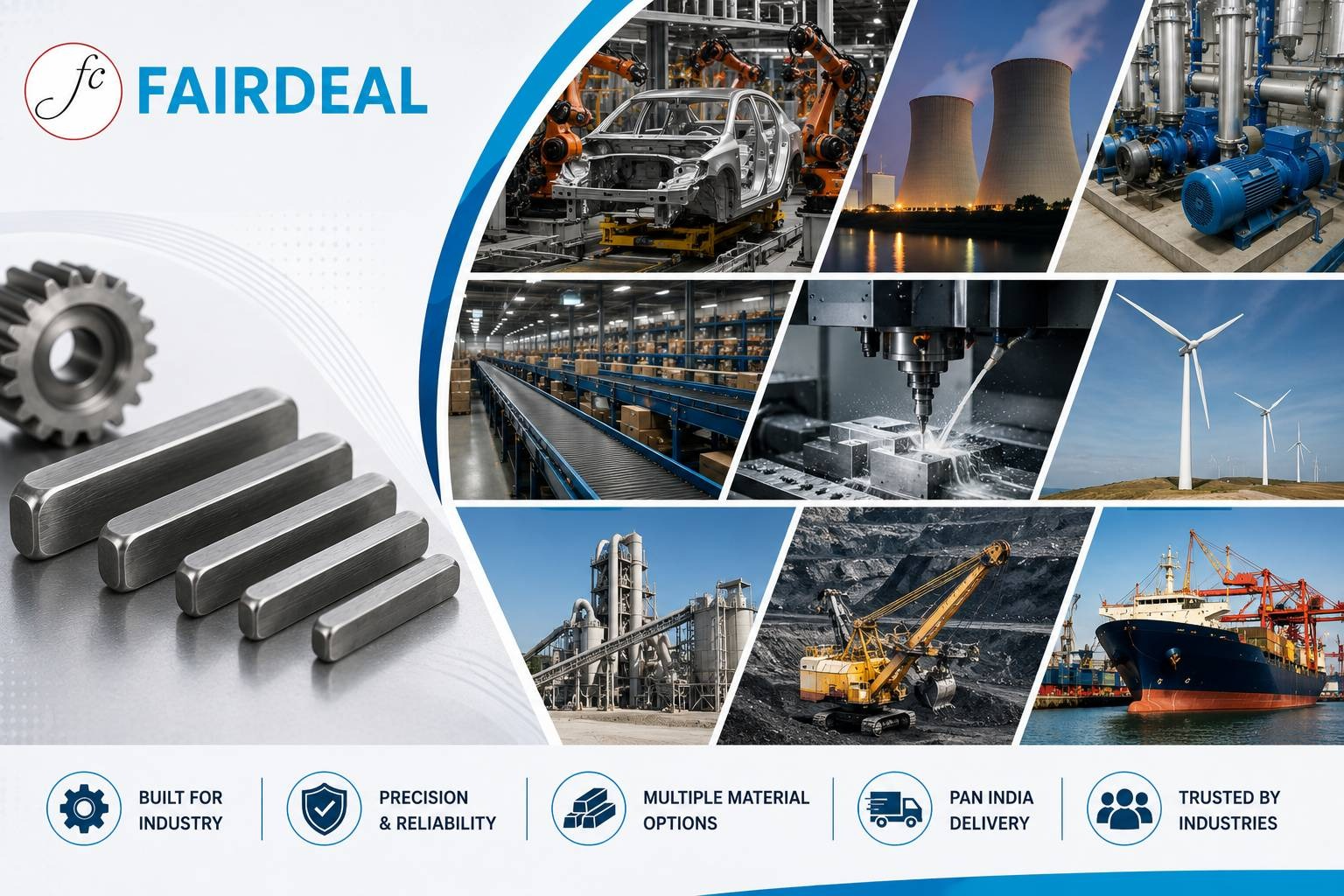
Walk into almost any factory floor, and somewhere behind the noise, a parallel key is doing quiet, unglamorous work — locking a shaft to a hub so torque moves exactly where it's supposed to. Most people never see one. But the industries that depend on parallel keys span nearly every sector that runs rotating machinery, and when a key fails, production stops.
As a Parallel Keys Manufacturer in Mumbai supplying clients across engineering, automotive, and industrial sectors for over two decades, we've seen firsthand which industries lean on this small component the hardest — and what happens when the wrong one is used.
Why Parallel Keys Are Critical to Power Transmission
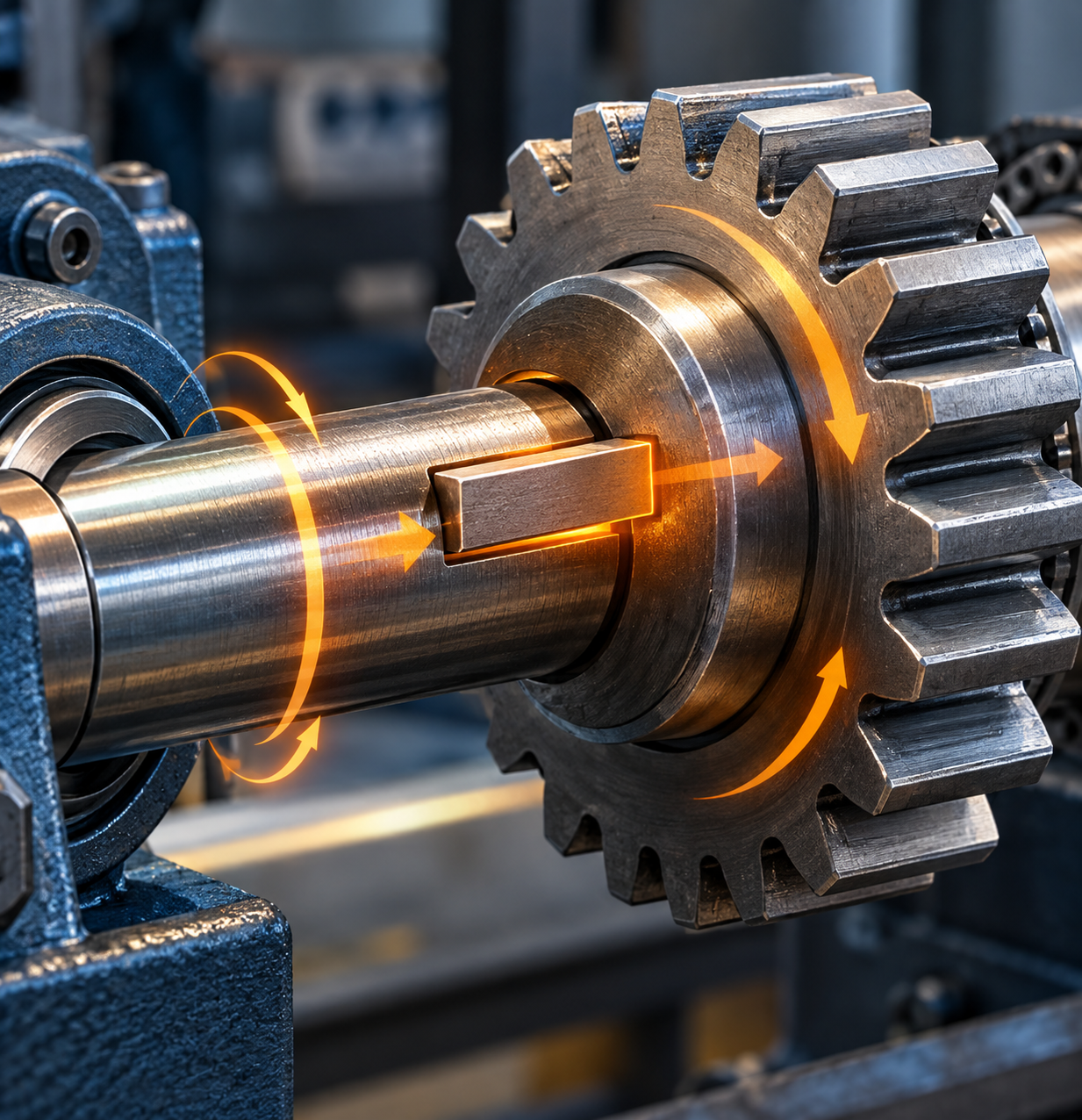
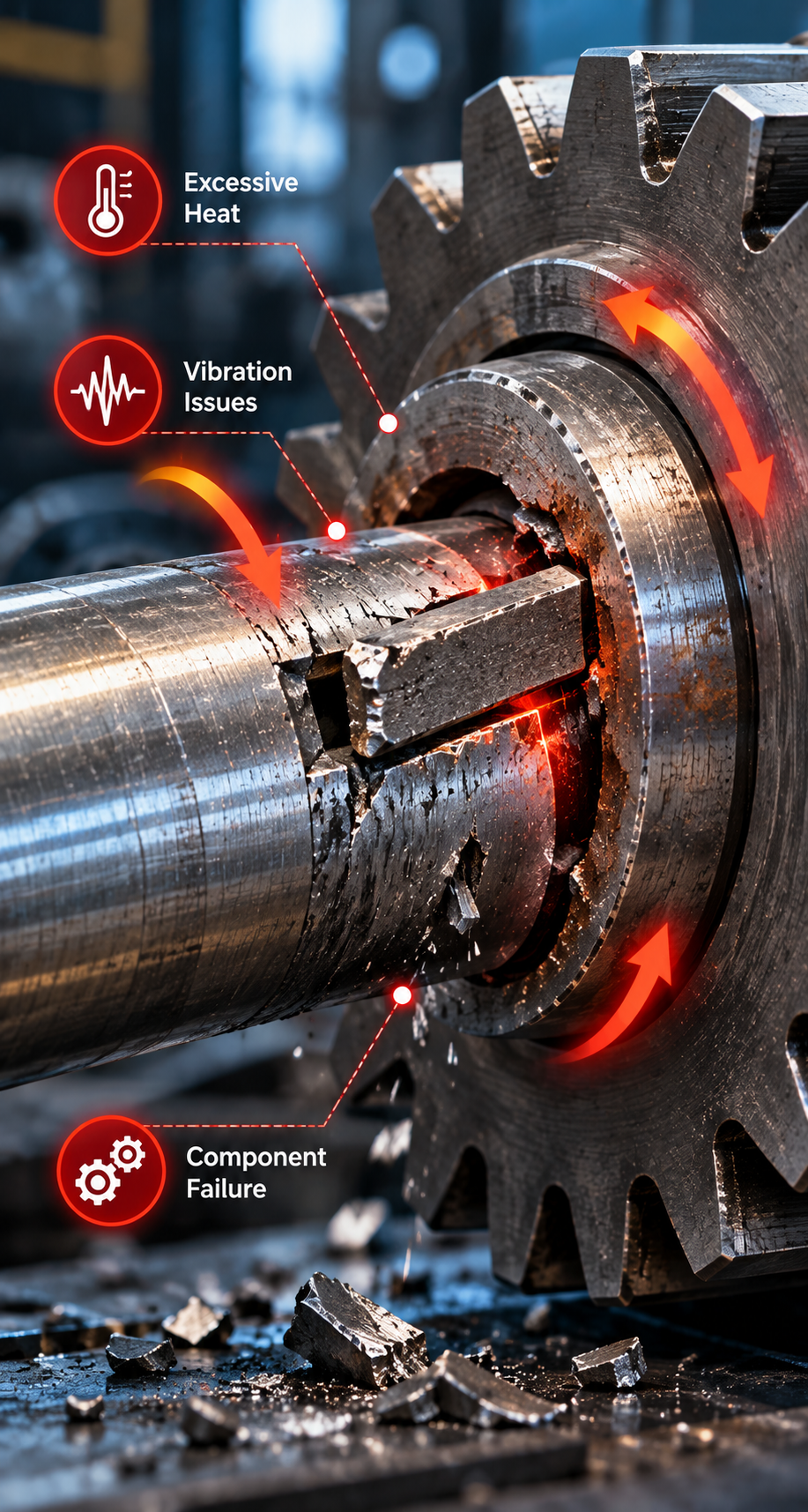
Parallel keys are the mechanical link that allows a shaft to drive a hub without slipping, making them essential to almost all mechanical power transmission. Without a properly fitted key, torque transfer becomes inconsistent, causing vibration, heat, and eventually component failure. That's why industries running continuous or heavy-duty rotating equipment treat key selection as a reliability issue, not just a parts-list line item.
Top 10 Industries That Depend on Parallel Keys
Automotive Manufacturing
Gearboxes, transmission shafts, and engine assemblies all rely on industrial parallel keys to keep torque transfer precise across millions of drive cycles. Even small dimensional errors here compound into noise, wear, or drivetrain failure over time.
Power Generation
Turbines and generator shaft couplings depend on heavy duty parallel keys capable of handling continuous, high-torque loads without fatigue — downtime in this sector is measured in lost megawatts, not just lost hours.
Pumps and Motors
Industrial pumps and electric motors use parallel keys to couple motor shafts to impellers and drive components, keeping fluid handling and rotational systems running smoothly under constant load.
Material Handling and Conveyor Systems
Conveyor pulleys run for hours at a stretch. A precisely fitted key prevents the pulley-to-shaft connection from working loose, which is one of the more common causes of unplanned conveyor downtime.
Machine Tools
Spindles and gear assemblies in machine tools need extremely tight tolerances, since even minor play in the key can throw off machining accuracy on the finished part.
Agricultural Equipment
Tractors, harvesters, and other farm machinery use parallel keys in gearboxes and drive shafts that face heavy, variable loads and harsh outdoor conditions — durability matters as much as precision here.
Marine and Shipbuilding
Propeller shafts and onboard machinery rely on corrosion-resistant parallel keys (typically stainless steel) to withstand constant exposure to moisture and salt.
Textile Machinery
Spinning and weaving equipment run at high speed for extended periods, and consistent torque transmission through the key is essential to avoid thread misalignment and machine vibration.
Cement and Mining Equipment
Crushers, conveyors, and heavy rotating equipment in cement and mining operations put enormous strain on keys, making heavy duty parallel keys in EN8 or hardened steel the standard choice.
Pharmaceutical and Food Processing
Mixers, packaging lines, and processing equipment often specify stainless steel parallel keys, since hygiene standards and corrosion resistance matter as much as mechanical performance.
Industry Applications at a Glance
| Industry | Typical Key Material | Primary Concern |
|---|---|---|
| Automotive | EN8, MS | Precision, repeatability |
| Power Generation | EN8, Alloy Steel | Fatigue resistance |
| Pumps & Motors | MS, SS | Consistent torque transfer |
| Conveyor Systems | MS, EN8 | Load durability |
| Machine Tools | EN8 | Tight tolerance |
| Marine | Stainless Steel | Corrosion resistance |
| Food & Pharma | Stainless Steel | Hygiene, corrosion resistance |
What Happens When the Wrong Key Is Used
A common mistake we see across sectors is selecting a key based on shaft diameter alone, without accounting for the load profile of the specific industry. A mild steel key that performs fine in light-duty equipment can wear out quickly in a cement plant's crusher assembly — leading to unplanned downtime and, eventually, keyway damage on the shaft itself, which is a far more expensive fix than the key.
Our recommendation as a precision machine components supplier: match the material and tolerance to the industry's typical load and environment before finalizing a size — not after installation.
How We Support These Industries
Fairdeal Corporation manufactures industrial machine parts — including parallel keys, Woodruff keys, and related components — in Mild Steel, EN8, and Stainless Steel, so clients across every sector above can source the right material for their load and environmental conditions from one supplier. Being Mumbai-based also means shorter lead times for clients across Maharashtra and pan-India delivery for everyone else.
Frequently Asked Questions
Conclusion
From automotive assembly lines to cement crushers, the industries that depend on parallel keys span nearly every sector that runs rotating machinery. The common thread across all of them is simple: the right key, in the right material, sized to the right tolerance, keeps equipment running reliably for years. As a trusted Parallel Keys Manufacturer in Mumbai, we help clients across these industries get that right the first time.
Need parallel keys suited to your industry's load and environment? Get in touch with our team for a quote, or call us to discuss your specific application.